
Trade Secret Lawsuits and When They Apply
When we build a product or refine a process, our edge often lives in information nobody else has. Trade secret lawsuits come into play when someone steals, uses, or shares that information without permission.
That risk hits hard in medical devices, manufacturing, construction tools, mobility products, and defense equipment, where private designs, testing data, and customer details can carry real business value. A trade secrets attorney can help us spot trouble early, reduce risk, and protect the trust and growth we have worked to build.
What counts as a trade secret in the real world?
A trade secret is not any file sitting on our server. In plain terms, it is information that is not public, has value because it stays secret, and is protected by reasonable steps to keep it confidential.
That can include technical and business information. It might be a formula, a prototype drawing, source code, pricing logic, a supplier list, or test results that saved us months of work. Some know-how is better kept confidential than patented, because patents publish the details, as this trade secret law overview explains.
Examples of protectable business information
In the real world, trade secrets often look ordinary until we see their value. A medical device company may protect CAD files, sterilization methods, and bench-testing data. An automobile parts maker may protect tolerance data, tooling methods, and vendor pricing.
Construction tool manufacturers may guard heat-treatment settings, battery performance data, or safety test methods. Wheelchair companies may rely on confidential frame geometry, seating adjustments, or materials choices. Military equipment makers often protect non-public specs, prototype details, and performance data tied to defense contracts.
These items may still matter even when they are not patented. In some cases, a patent is not available. In others, we may choose not to publish the details at all. A trade secrets attorney can help us identify which information belongs in that protected category and which material does not.
Why secrecy and business value both matter
Secrecy and value work together. If the information gives us a real market advantage, but we share it freely, the claim gets weaker. If we lock it down, but it has no business value, it usually will not qualify.
Courts often look at how we handled the information day to day. Did we limit access? Did we use NDAs? Were files password-protected? Did we train employees on what was confidential? Those small habits often make a large difference later.
If we don't treat information as confidential, a court may decide it never qualified as a trade secret.
That is why not every internal spreadsheet becomes protected property. We need to show that the information mattered and that we acted like it mattered.
When do trade secret lawsuits apply?
Trade secret lawsuits usually apply when someone acquires, uses, or discloses secret information through improper means. Many claims are brought under state trade secret law, federal law, or both, but the core issue stays the same: did someone take or use protected information in a way the law does not allow?
A trade secrets attorney helps us evaluate that question before we rush into court. Strong facts matter, because not every suspicion becomes a solid claim.
Common situations that lead to a claim
A common trigger is an employee departure. Someone resigns, downloads design files the night before leaving, and soon a competitor releases a similar product. That pattern can support a claim, especially if the employee had signed confidentiality agreements.
Vendor and partner disputes also show up often. We may share drawings, cost models, or test data during a supply deal, joint venture, or acquisition talk. If the deal falls apart and the other side keeps using the information, a lawsuit may follow.
Competitor conduct can raise problems too, but the details matter. A company may lawfully reverse engineer a product sold on the open market. The issue changes when the item was a private prototype, a restricted test sample, or material shared under a duty of confidence.
What makes the use or disclosure improper
The law usually looks for a broken duty or dishonest conduct. Theft, copying files, hacking systems, taking photos in a restricted area, or sending confidential data to a personal account can all support a claim. So can urging someone else to break an NDA or employment agreement.
On the other hand, independent development is different. If a competitor built its product on its own, without using our secret information, the case may fail even if the products look alike. That is why the facts need close review.
Many disputes turn on whether someone used confidential information despite a duty not to, which this basic trade secret litigation overview also describes. A trade secrets attorney helps us sort out that line before we spend time and money on the wrong fight.
How a trade secret lawsuit usually works from start to finish
These cases move fast because the damage can spread fast. Files can disappear, devices can be wiped, and a copied design can reach the market before we have a full picture. For that reason, speed matters as much as accuracy.
A trade secrets attorney usually starts by building a timeline, defining the secret, and gathering proof that we owned it and protected it.
The first signs something is wrong
The warning signs are often practical, not dramatic. We may spot unusual downloads, missing project folders, suspicious resignations, or a former employee contacting key suppliers right after leaving.
Sometimes the first sign is external. A competitor launches a product that looks too similar, too soon. In other cases, a customer mentions getting a proposal with copied specs, or an engineer notices familiar language in a rival's technical sheet.
Evidence that can support a case
Good records often decide whether a case moves forward or stalls. Courts want more than a gut feeling, so we need proof that the information existed, stayed secret, and reached the wrong hands.
Useful evidence may include:
- Access logs that show who opened, copied, or downloaded files
- Emails, texts, and chat messages about confidential material
- NDAs, employment agreements, and vendor contracts
- File histories, version records, and device activity
- Witness statements and side-by-side product comparisons
That proof helps us show both ownership and misuse. It also helps us avoid overclaiming, which can hurt credibility early in the case.
What courts can do if the claim is proven
If the court agrees that a trade secret was misused, it can order the other side to stop. That order is called an injunction, and in urgent cases it may come early in the dispute.
Courts may also award money damages for lost sales, unfair gains, or the value of the secret itself. They can order the return or destruction of confidential materials. In some cases, attorney fees may be available, especially when the conduct was willful or the case was brought in bad faith.
The financial stakes can be high, and examples of large U.S. trade secret awards show why companies act quickly when core information is at risk. Still, the strongest goal is often simple: stop the spread before the harm grows.
How we protect trade secrets before a lawsuit ever starts
The best trade secret dispute is the one we prevent. When we protect ideas early, we protect room to keep building, selling, and improving without losing control of what makes our business different.
At Milano IP, we believe protection should fit the company, the product, and the people who handle the information. A trade secrets attorney can help us set up safeguards that match our work instead of handing us a one-size-fits-all checklist.
 ### Simple habits that reduce risk
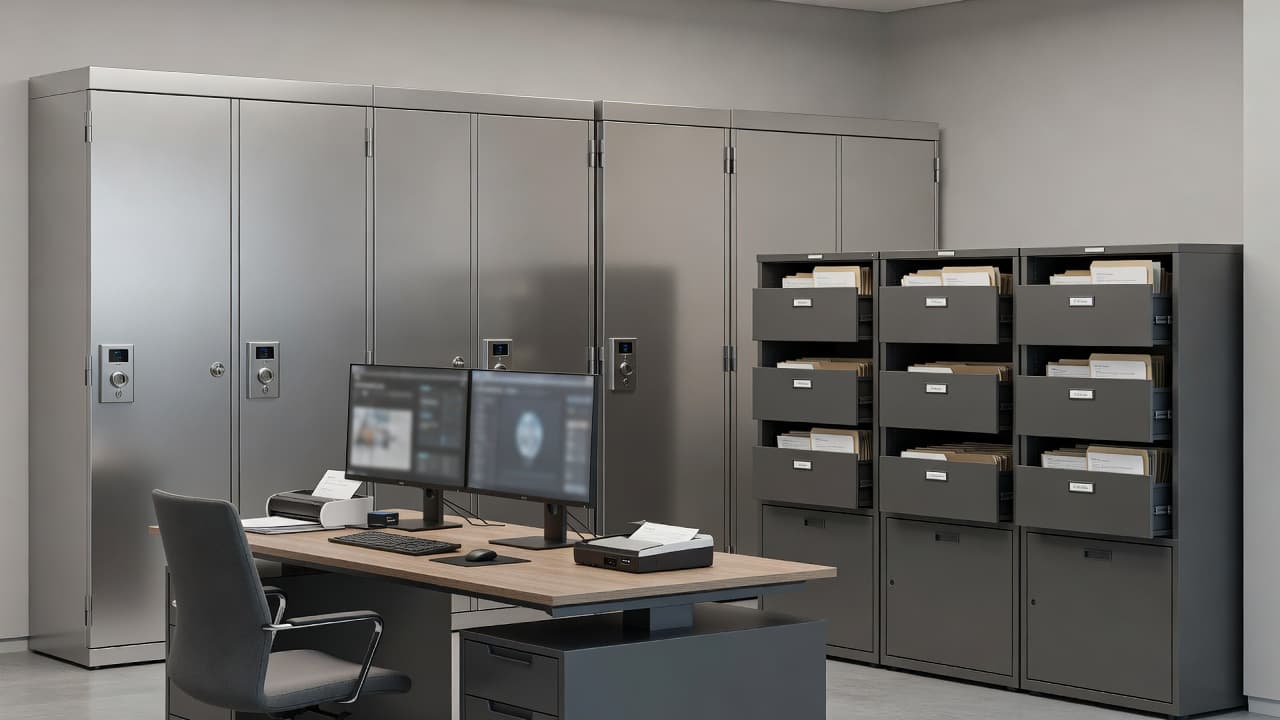
Simple habits carry a lot of weight. We should label confidential files, limit access to people who need it, and review permissions often. If an engineer changes roles, their access should change too.
Exit steps matter just as much. When someone leaves, we should collect devices, shut off accounts, confirm what was returned, and remind them of ongoing confidentiality duties. Vendors and contractors should only receive the information they need for their task.
These steps do more than reduce loss. They also help prove, if a dispute arises, that we took the secrecy of the information seriously.
Why contracts and training matter
Contracts give us a clear starting point. NDAs, employment agreements, invention assignment clauses, and vendor terms spell out what stays confidential and what happens if someone misuses it.
Training turns paper rules into daily practice. Teams should know what counts as confidential, how to store it, where they may share it, and when to ask for legal guidance. Regular reminders help because people forget, roles change, and shortcuts appear under deadline pressure.
When we combine strong agreements with clear habits, we build a record that supports both prevention and enforcement. That record can make all the difference if trade secret lawsuits become necessary.
Final Thoughts
Trade secret lawsuits are about more than conflict. They protect the hard work, market position, and future value tied to information our competitors do not have.
These cases apply when protected information is taken, used, or disclosed through broken trust or dishonest conduct. Timing matters because secrets can spread fast, and weak records can weaken a strong complaint.
If we act early, document our safeguards, and get guidance from a trade secrets attorney , we put ourselves in a far better position to protect confidential information and move forward with confidence.
Get a Free Case Evaluation
Tell us your details and we'll get right back to you.
Blog Contact Form
Like our article? Share our Article!