
Patent Application Example, Step by Step
A weak filing can shrink a strong invention into a small legal box. A clear patent application example shows why the words on the page matter as much as the product in the lab, machine shop, or test bay.
For medical devices, auto parts, construction tools, wheelchairs, and military equipment, small drafting mistakes can limit protection or create trouble later. When we break down a sample filing in plain English, we can protect valuable ideas, cut avoidable errors, and build a smarter path to patent rights. Strong patent attorney services help us turn an invention into a filing strategy that fits both the product and the market.
Start with the invention, not the paperwork
A good patent application starts before we touch a form. First, we need a clear view of what the invention does, who needs it, and why current options fall short. That early work keeps the filing tied to real business value.
When we start with paperwork instead of function, we often trap the invention inside the first version we wrote down. That is where patent attorney services help from the start, because good framing supports better claims later.
 ### Define the problem the invention solves
Plain language works best here. We should state what fails today, who feels that failure, and what changes after the invention is used. A medical device may reduce contamination risk. An auto part may hold up better under heat and stress. A construction tool may improve safety on a busy job site. A wheelchair feature may make mobility easier with one-handed use. A defense system may cut weight while still meeting strict performance demands.
This part matters because patent examiners, investors, and product teams all read the same record. If the problem is vague, the invention often looks vague too.
Separate the core idea from optional features
Next, we sort the core idea from add-ons. If the invention is a locking mechanism, the handle texture, color, or app connection may not belong in the main claim. Those details can still appear in dependent claims or later filings.
This step gives us broader coverage. It also keeps future versions within reach. When we know which elements are essential and which are optional, we are less likely to protect only one narrow model.
Build the patent application step by step
Once the invention is clear, the application stops feeling like a pile of forms. Each part has a job. The USPTO utility patent filing guide explains the formal pieces of a nonprovisional filing, but the strategy behind those pieces is what gives the application long-term value.
Each section supports the next. When one part is thin, the rest of the filing usually suffers.
Write a summary that makes the invention easy to understand
The summary is the fast read. It should give an accurate picture of the invention without sounding inflated or cramped. If it promises more than the description can support, it creates risk. If it says too little, it wastes a chance to anchor the examiner's first impression.
We want the summary to show the main concept and the result. For example, we might describe a wheelchair braking assembly that allows easier one-hand actuation while maintaining a secure lock. That reads better than marketing copy, and it gives the reader a useful starting point.
Use drawings and descriptions to support the claims
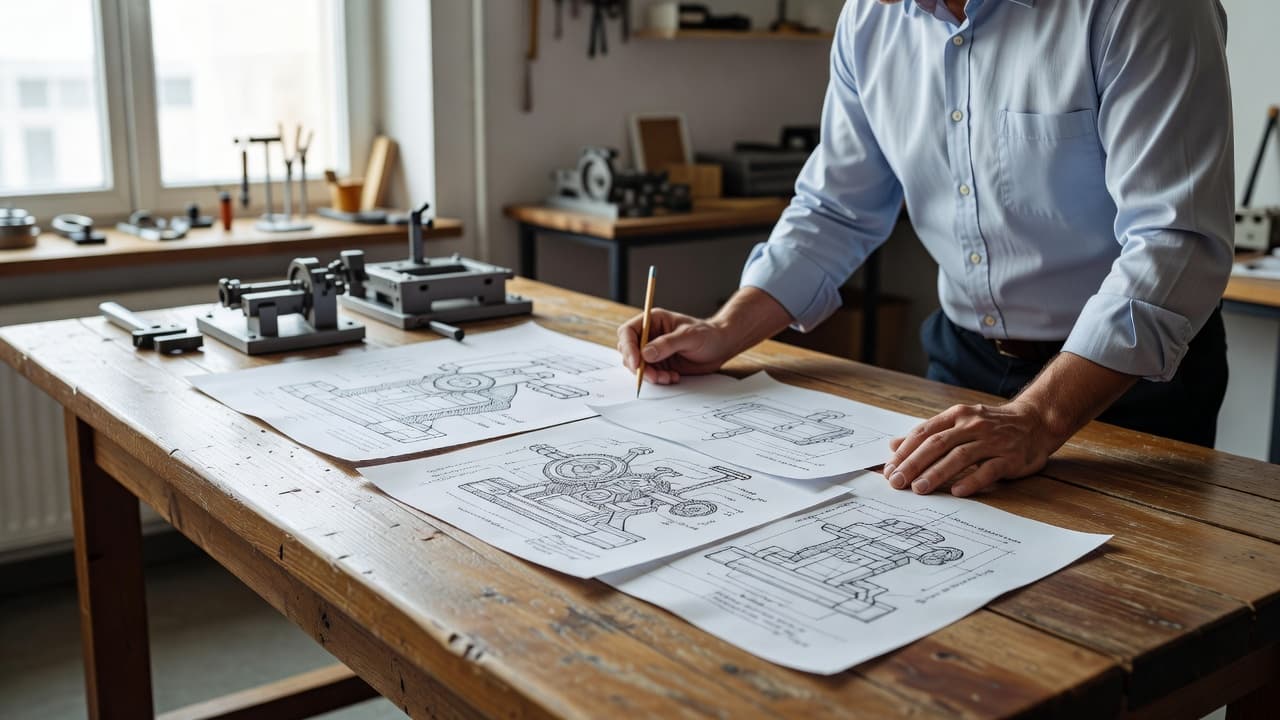
Drawings bring order to the application. Reference numbers connect the figures to the written description, and the text explains how the invention can be made and used. In a patent application example for a medical device or construction tool, drawings often explain movement, shape, and part relationships faster than text alone.
The written description should also cover more than one form. Materials, dimensions, mounting options, sensor locations, and control logic may all matter. Strong patent attorney services can turn rough engineering notes into a detailed record that supports claim changes later if the examiner pushes back.
Draft claims that match the real scope of protection
Claims mark the fence line of the patent.
Broad claims try to cover the main inventive concept. Narrow claims add backup positions if the broad claim faces prior art. We need both. If the claim language is careless, a competitor may design around it with small changes.
Claims also need support in the description. A claim that reaches beyond what the application actually explains can fall apart during examination or later in a dispute.
Avoid common mistakes that weaken a patent filing
Most weak filings do not fail for dramatic reasons. They weaken through unclear wording, missing alternatives, rushed disclosure, or poor timing. The USPTO nonprovisional filing checklist is a useful reference for required pieces, but a checklist alone will not fix a weak strategy.
That matters even more in regulated industries. Product design records, test plans, compliance documents, and patent language should support each other. If they pull in different directions, the filing can become harder to defend and harder to build on.
Do not describe the invention too narrowly
Narrow language can hand competitors an easy exit. Words like "only," "must," or one fixed layout may limit the patent more than we intended. If a claim says a device uses one exact material or one exact arrangement, a rival may change a single detail and step around the patent.
We should describe the invention in a way that captures what matters most. Then we can add narrower claims for preferred versions.
Do not leave out important alternatives
A strong application includes real alternatives that fit the same inventive idea. For a construction tool, that may include battery-powered and pneumatic forms. For an auto part, it may include forged, cast, or composite versions. For military equipment, it may include more than one mounting platform if the same control system does the inventive work.
This is where patent attorney services often prevent blind spots. Careful review helps us protect not only the prototype in front of us, but also the version a competitor may copy next year.
Do not wait too long to file
Timing affects value. Public demos, trade shows, investor decks, vendor talks, and online promotion can all create risk if we have not filed yet. The USPTO overview on applying for patents gives a solid starting point, but businesses still need a filing plan tied to launch dates and disclosure plans.
Early filing also matters when markets move fast. If a rival starts building a similar design, a late application can leave us reacting instead of leading.
What stronger patent applications do for growing businesses
A strong patent application example is not only about getting through examination. It supports business moves long before a patent issues. When we file well, we build better ground for product launches, investor confidence, licensing talks, and later enforcement.
That is true for companies making medical devices, vehicle parts, construction tools, mobility products, and defense technologies. The product may change over time, but the first filing often sets the ceiling for what we can protect later.
Protect the product before competitors catch up
Early patent planning helps slow copycats and gives product teams room to improve the next version. It also shows that the company treats its ideas like business assets, not loose notes in a development file.
After filing, we can track application status and file history through USPTO Patent Center. That visibility helps us plan responses, continuation filings, and launch timing with fewer surprises.
Support growth with a smarter IP strategy
Patents work best when they fit a wider IP plan. A patented tool mechanism protects how the product works. A trademark protects the name buyers trust. Enforcement planning matters too, because rights on paper do not stop infringement on their own.
At Milano IP, we often help clients build protection that matches the product and the market. That means tailored filing strategy, clear communication, and careful drafting, whether we are working with a startup or a national manufacturer. Good patent attorney services do more than prepare documents. They help us make stronger decisions as products expand and competitors respond.
Conclusion
A sample patent application is more than paperwork. It is the record that shapes how far an invention can reach and how well it can hold up under review.
When we start with the problem, separate the core idea from extra features, and draft claims with care, we give the business a stronger position. If we're ready to protect an idea with more precision and confidence, experienced patent attorney services can help us build a filing that works in the real market.
Get a Free Case Evaluation
Tell us your details and we'll get right back to you.
Blog Contact Form
Like our article? Share our Article!